

What Actually Makes a Home Feel Luxury?
What Actually Makes a Home Feel Luxury?

October 7, 2026
(Hint: It's Not Just the Finishes)
Most buyers can describe a luxury home the moment they walk into one. The ceilings feel taller. The kitchen looks like it belongs in a magazine. What is harder to describe, and far more important, is why some of those homes actually feel like luxury to live in five years later, while others start to feel like a very expensive version of every other house on the street.
The difference rarely comes down to the appliance package.
For buyers comparing luxury home builders in Des Moines, this distinction matters more than most builder websites let on. Nearly every builder in this category now offers premium finishes. Quartz countertops, high-end appliances, and designer lighting have become the baseline expectation for any home built above a certain price point, not the differentiator. If every builder in the market can check the same boxes, the boxes themselves stop being the answer to what luxury actually means.
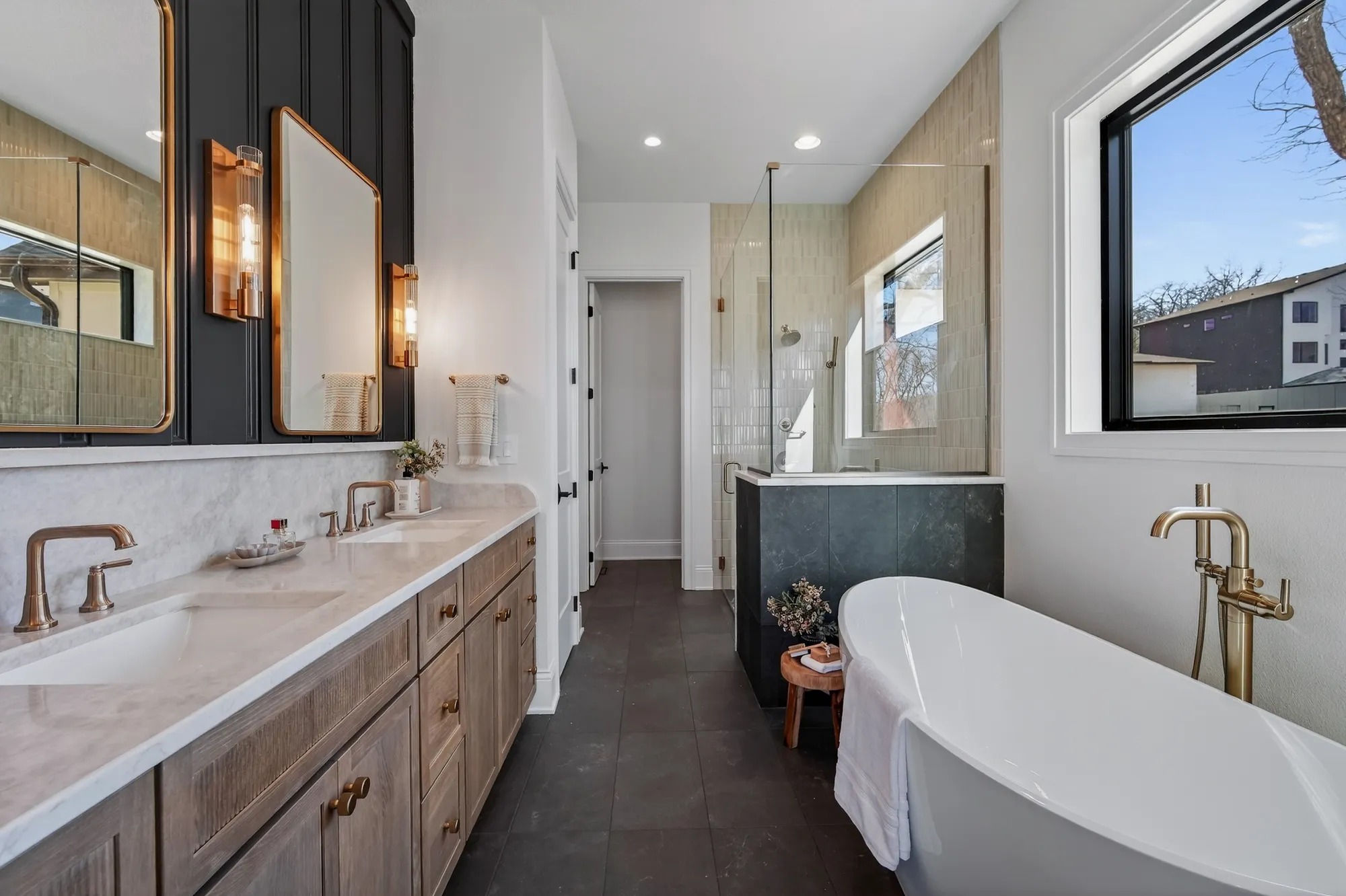
Luxury Is a Feeling Before It Is a Finish
Ask a buyer who has lived in a genuinely well-designed home what they love most about it, and the answer is rarely a material. It is usually a moment. Morning light hitting the kitchen a certain way. A mudroom that keeps the rest of the house calm. A primary suite positioned far enough from the main living space that it actually feels like a retreat.
That is the part of luxury home design that finishes alone cannot deliver. A home can be filled with expensive materials and still feel disconnected from how someone actually wants to live in it. The reverse is also true. A home built around real daily patterns, how a couple moves through a morning, how a family gathers in the evening, how a homeowner entertains a handful of close friends rather than a crowd, tends to feel more luxurious even before a single finish decision is made.
This is the piece that gets lost in a lot of custom home marketing. Luxury is not primarily a shopping list. It is the experience of a home that was designed around a specific life, built by people who took the time to understand what that life actually looks like.
Where Luxury Actually Lives
Walk through enough new construction and a pattern becomes obvious. The homes that photograph well are not always the homes that live well. Square footage gets allocated to spaces that look impressive in a listing but rarely get used, while the spaces a family actually depends on, the mudroom, the pantry, the transition between garage and kitchen, get treated as an afterthought.
Personalized home design starts by reversing that order. The floor plan is built around function first: how natural light moves through the day, how sound travels between a primary suite and the rest of the home, how a kitchen actually performs during a dinner for twelve versus a quiet Tuesday night. Those are not decisions that show up in a listing photo. They show up every single day the home is lived in.
This is also where the difference between a fully custom home and a home dressed up with upgrades becomes clear. Selecting a nicer countertop is a finish decision. Deciding where the primary suite sits in relation to the kitchen, how the mudroom connects to daily routines, or how outdoor living space is oriented for evening light, those are design decisions. They require a process built around the buyer's actual life, not a predetermined plan with a longer options list attached to it.
The Included Features Still Matter, Just Not the Way Most Builders Present Them
None of this is an argument against premium materials. JennAir appliances, Pella Impervia windows, Tier 3 quartz or granite, R-49 insulation, and 200 AMP electrical service are not decorative choices. They are the difference between a home that performs at a high level for decades and one that requires constant maintenance and replacement long before it should.
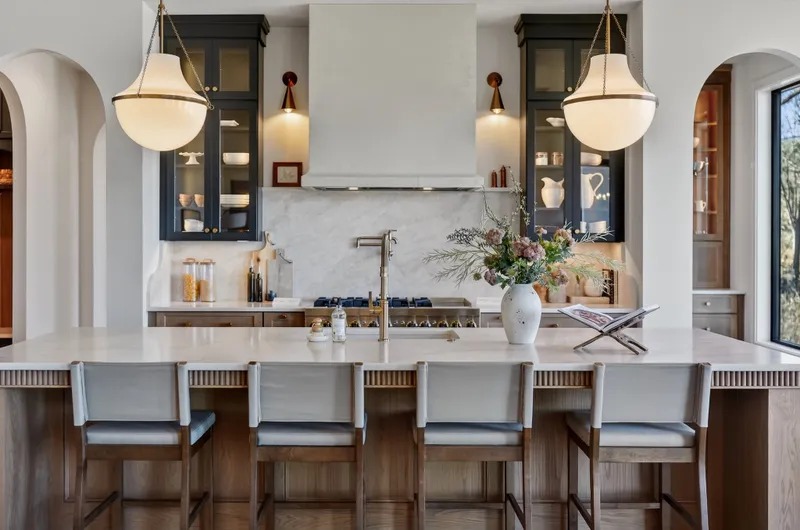
The distinction is what those features are in service of. On their own, a features list is just a features list. Paired with a home designed around how someone actually lives, those same materials stop being upgrades and start being part of a home that simply works, quietly and consistently, for the life happening inside it. That is a meaningful difference for a buyer who has already lived in a home or two and knows exactly which finishes held up and which ones did not.
Luxury Is In How the Home Gets Built
There is a second layer to this that buyers researching custom home builders in Des Moines often underestimate until they are already in the middle of a project: how the home gets built shapes how it feels to own just as much as the finished product does.
A buyer comparing multiple builders is not just comparing floor plans and finish packages. They are trying to determine whether a builder communicates clearly, prices honestly, and treats a multi-hundred-thousand-dollar decision with the seriousness it deserves. Vague allowances that quietly become change orders. Decisions made in the field without the homeowner's knowledge. A process that feels reactive instead of structured. None of that shows up in a rendering, but all of it shapes whether the experience of building a luxury home actually feels like one.
This is why an organized, transparent process belongs in the same conversation as luxury home features. A homeowner who understood exactly what they were paying for, made decisions with real information instead of guesswork, and had direct access to the people building their home walks away with a different relationship to that home than one who spent the process chasing updates and managing surprises. That relationship becomes part of how the home feels, long after the last punch list item is closed out.
What This Means for Buyers Comparing Builders in Des Moines

For a buyer evaluating modern luxury homes in Iowa, the practical takeaway is this: look past the photography. Ask how the builder approaches floor plan design before finishes ever come up. Ask how pricing works and whether the budget reflects real costs or an optimistic starting number. Ask what happens when something needs to change mid-project. The answers to those questions predict the experience of building far more accurately than a finish selection sheet does.
The buyers who end up happiest with their homes years later are rarely the ones who chose the most expensive countertop. They are the ones who chose a builder who understood how they actually wanted to live, then built a home and a process around that understanding.
Where Destination Homes Fits
At Destination Homes, that is the standard the process is built around. Every home includes the same high level of materials, JennAir appliances, Pella Impervia windows, Tier 3 quartz or granite, R-49 insulation, and 200 AMP service among them, but those specifications sit inside a design process that starts with how a buyer actually wants to live, not a predetermined plan with an options list attached.
For buyers exploring custom homes in Iowa who want to understand what that process looks like from the first conversation through move-in, the Our Process page offers a closer look at how that experience is structured from beginning to end.
